
10 Common Mistakes to Avoid When Placing a Bench in Your Garden
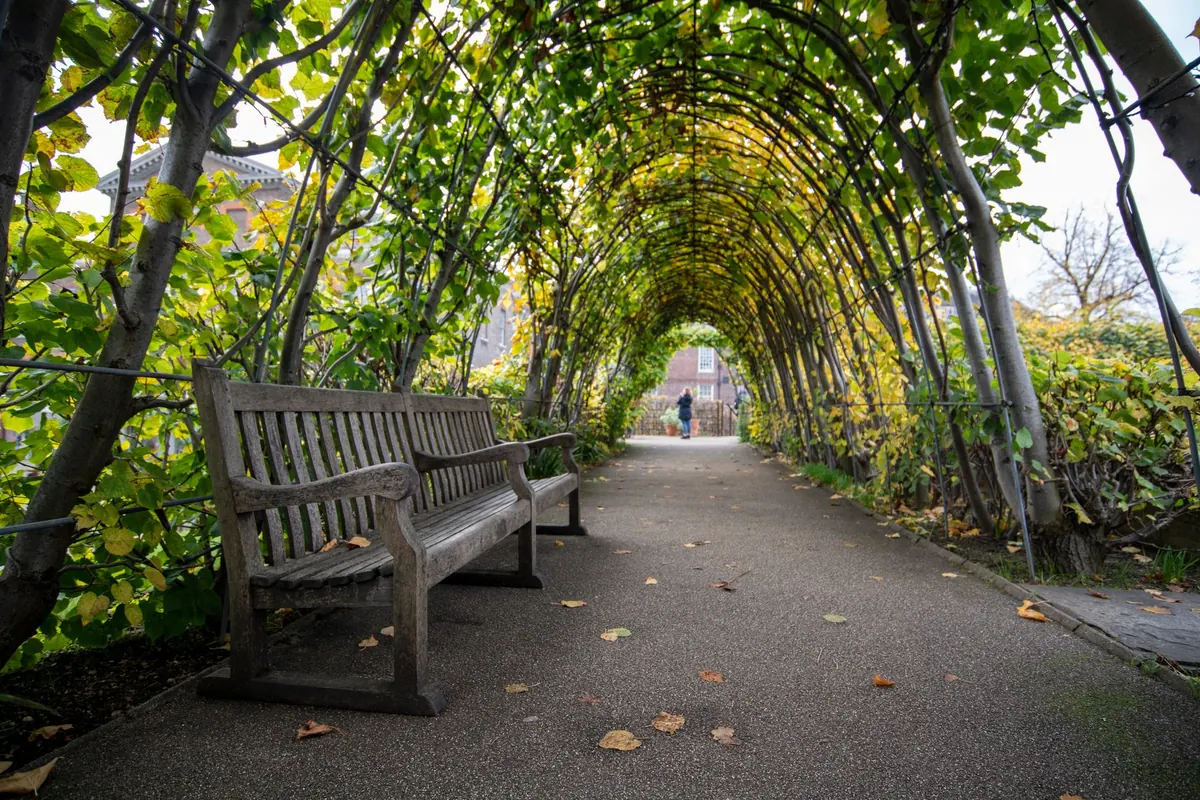
A bench is one of the quickest ways to make a garden feel finished, and one of the easiest things to site badly. Put it in the wrong corner and you will know within a week: water pooling around the legs, a fine view of the wheelie bins, a kneecap-height obstacle on the path to the shed. None of these problems are hard to avoid. They just need a bit of thought before the drill comes out.
Buying the bench before you have chosen the spot
It is easy to fall for a bench online, then walk the garden looking for somewhere it will fit. That usually ends in a compromise: a two-seater wedged against a fence, or a bench blocking the only route to the compost heap. Work the other way round. Walk the garden at different times of day and notice where you already pause, lean on a spade, or turn to look back at the house. Those spots are telling you something.
Keep the proportions of the space in mind, too. A long bench on a small patio crowds it; a small bench in a wide border looks lost. And check the delivery route before you order — a hefty three-seater that will not fit through the side gate is a problem no amount of clever placement can solve.
Ignoring what is underfoot, and what happens when it rains
Wooden legs standing straight on soil will sink, wobble and rot. The same goes for any bench left in the low point of the garden where water gathers after a downpour. Before you position anything, watch the garden during heavy rain and note where puddles linger. If the bench is going on grass, set it on a level pad: two paving slabs, a strip of gravel over compacted hardcore, or a small concrete base if you want it permanent.
Keep the base slightly proud of the surrounding ground so water runs away from the legs rather than towards them, and avoid the drip line of a shed or gutter where a steady stream of water will land on the seat. A bench that sits wet at the feet will need replacing far sooner than one that drains properly, so this is worth half an hour with a spirit level.
Getting the orientation wrong
The most common mistake here is pointing the bench at the sun rather than at something worth looking at. A seat facing due south is glorious in April and unbearable in July, when the timber gets too hot to touch and the glare sends everyone indoors. East-facing catches the morning, west-facing catches the long evening light, and a north-facing spot gives you shade for a hot afternoon.
In the UK, prevailing winds come from the south-west, so a bench on an exposed western boundary takes the brunt of the weather. A hedge, wall or fence at your back makes a surprising difference. And think about the view: sitting with your back to the best part of the garden, or facing a bare boundary fence, wastes the spot. If the only thing to look at is next door's bins, plant something instead.
Squeezing it in: clearance, access and the mower
Benches need more room than their footprint suggests. As a rule of thumb:
- Leave 45–60cm behind the backrest so shoulders are not pressed against a fence or wall.
- Allow at least 90cm of clear space in front — 1.2m if people will walk past while someone is seated.
- Keep gate swings, shed doors, outside taps and bin routes clear.
- Check the mower and wheelbarrow can still get through; a bench that narrows a path to 30cm will be moved within a month.
Think about the person using it, too. A bench on a slope, however gentle, tips weight forward and feels unstable. If you are placing two benches to face each other, leave enough distance that knees do not touch; about a metre and a half between seats is comfortable for conversation.
Forgetting what is above and beside the bench
Look up before you commit. Deciduous trees drop leaves, sap and the occasional branch; fruit trees drop something stickier; anything with berries decorates the seat and the washing. A bench under a bird's favourite perch will need cleaning every week. If a tree shades the spot all day, moss and algae will make the seat slippery long before the timber wears out.
Beside the bench matters as well. Sitting directly under a window blocks light into the room and looks awkward from indoors. Against a fence is fine, but check the panels are sound and that the bench is not resting against a post that will push it out of shape. Allow a little room to get round it with a brush and an oil can — maintenance you can reach is maintenance you will actually do.
Losing sight of how you will actually use it
A bench is rarely just a bench. Decide what this one is for before you fix the spot:
- Reading: dappled shade, a proper backrest, somewhere to put a cup.
- Eating: level ground, close to the kitchen door, near a table.
- Company: two seats facing each other or set at a right angle, or one bench beside a low wall.
- Watching the children: a clear line of sight to the play area and the back door.
- A quiet pause: tucked away, screened from the house, at the end of a path.
One bench asked to do all five jobs will do none of them well. Pick the main one and let it decide the place.
A last walk-round before you commit
Once you have a spot in mind, test it properly. Push two canes into the ground to mark the ends, then sit there at the time of day you will actually use it — morning coffee, or eight in the evening in July. Watch the rain fall on it, even if that means waiting a day or two.
Then run through the practicalities in one pass: is the ground level and free-draining, is the seat facing something worth seeing, is there room to walk past, and can you reach it with a brush? If the answers are all yes, mark the leg positions, prepare the base properly, and anchor anything light — aluminium and thin metal frames catch the wind and will go over in a gale. Get those things right and the bench becomes the spot everyone drifts towards.
Photo: Samuel Sweet / Pexels